








PDF
畅观开关电源证书-1587_0
Download
No login required
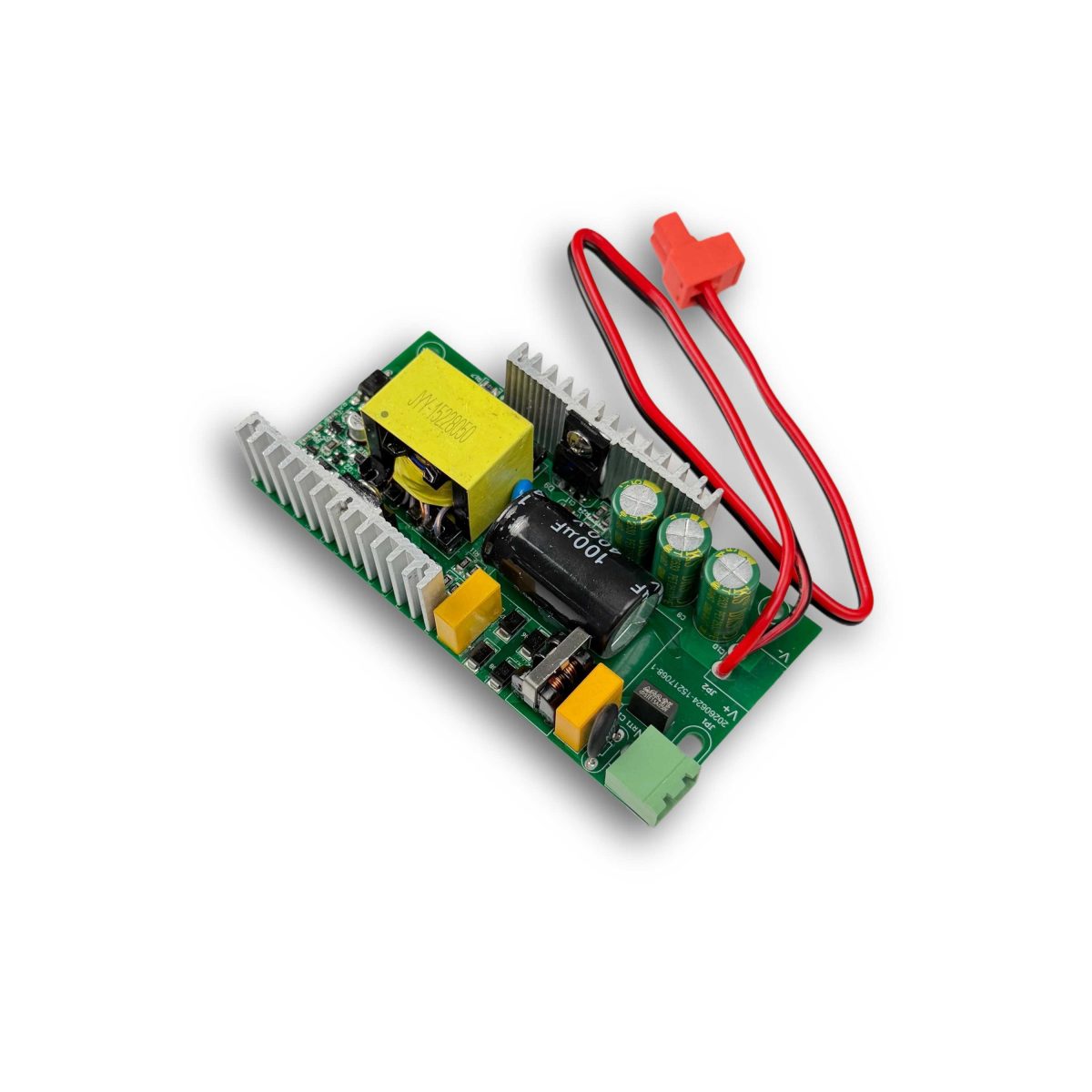
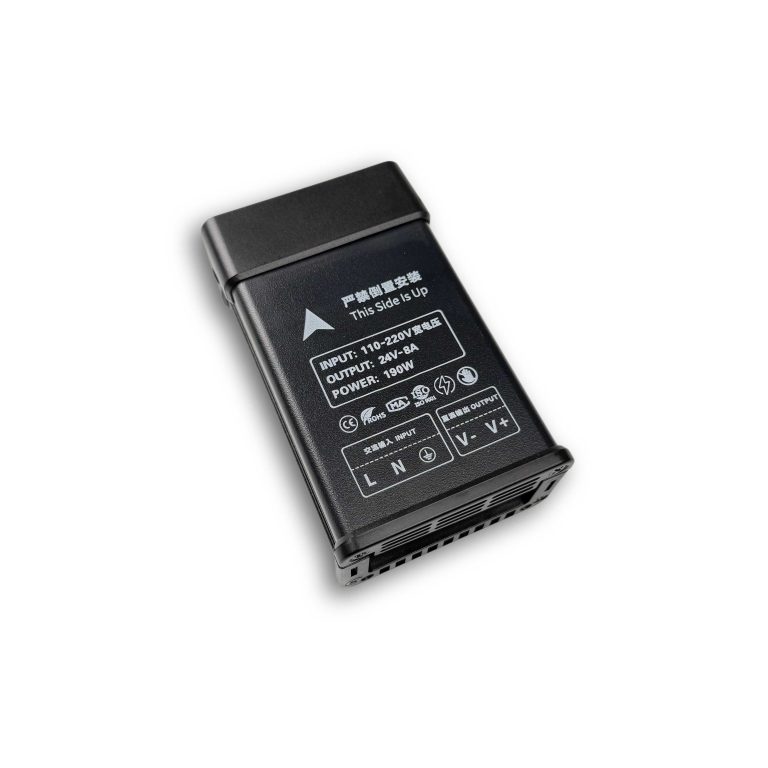
This switching power supply is specially designed for access control systems, magnetic locks, electric bolts, and gate operator control systems.
This switching power supply is specially designed for access control systems, magnetic locks, electric bolts, and gate operator control systems. Adopting a high-efficiency and stable switching power supply design, it supports a wide input voltage range and provides DC 12V/24V output, which can be selected according to the actual requirements of locks, controllers, and sensing devices. The power supply features overcurrent, overvoltage, short-circuit, overload, and overheat protection, and supports automatic recovery after a power failure, making it suitable for long-term continuous operation in entrance and exit control applications.
The housing is made of flame-retardant material with a compact structure and efficient heat dissipation. It supports wall-mounted or DIN-rail installation, and the clearly marked terminal blocks facilitate on-site installation and maintenance. Selected models support backup battery connection, which can maintain short-term power supply for access control and lock devices during a power outage. It is widely used in commercial buildings, residential communities, industrial parks, parking lots, and public areas with access control requirements..
– Power supply for access control systems
– Power supply for magnetic locks and electric bolts
– Power supply for gate operator control boxes
– Barrier gate and parking control systems
– Building intercom and entrance control equipment
The common outputs are DC 12V and DC 24V. The exact option depends on the model and should be selected according to the input voltage of the access controller, magnetic lock, or gate operator control box.
Check the nameplate of the connected device. Most magnetic locks, electric bolts, and access control readers support 12V or 24V, while some controllers and gate control boxes require 24V. Use 12V only for 12V devices and 24V only for 24V devices. Do not mix them.
Add up the rated power of all devices connected to the same power supply and leave an additional margin of 20% to 30%. For example, if the controller is 10W, the magnetic lock is 12W, and other devices are 8W, the total is 30W, so a 40W or higher power supply is recommended.
A higher current means greater load capacity, but it should match the actual devices. Excessive current will not damage the devices, but it may increase cost and size. Select the current based on the total load plus a 20% to 30% margin.
Yes, as long as the total power and current do not exceed the rated values. Magnetic locks, controllers, and card readers can share one power supply, but the wiring must be properly distributed to prevent a short circuit from affecting all devices.
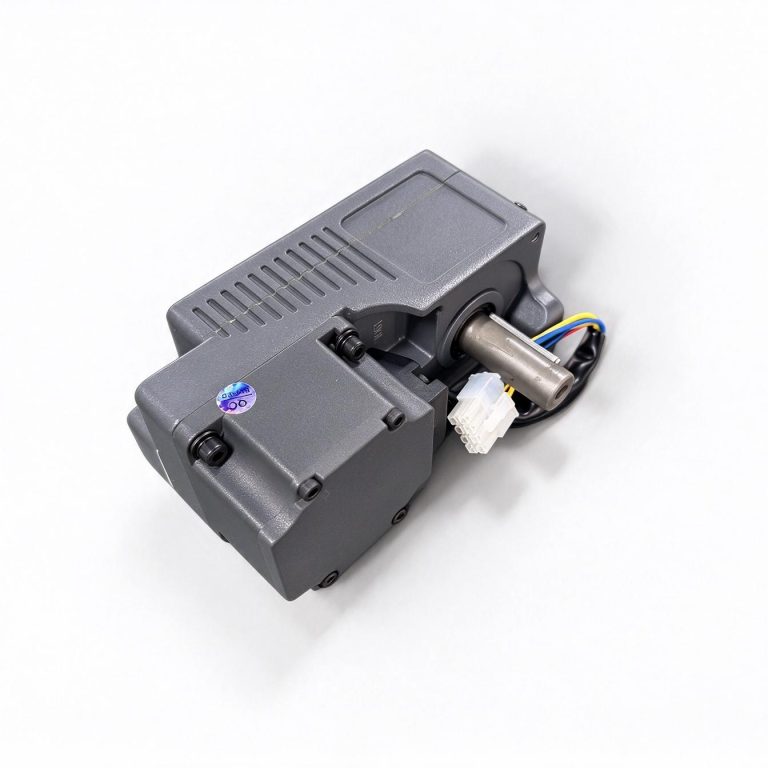
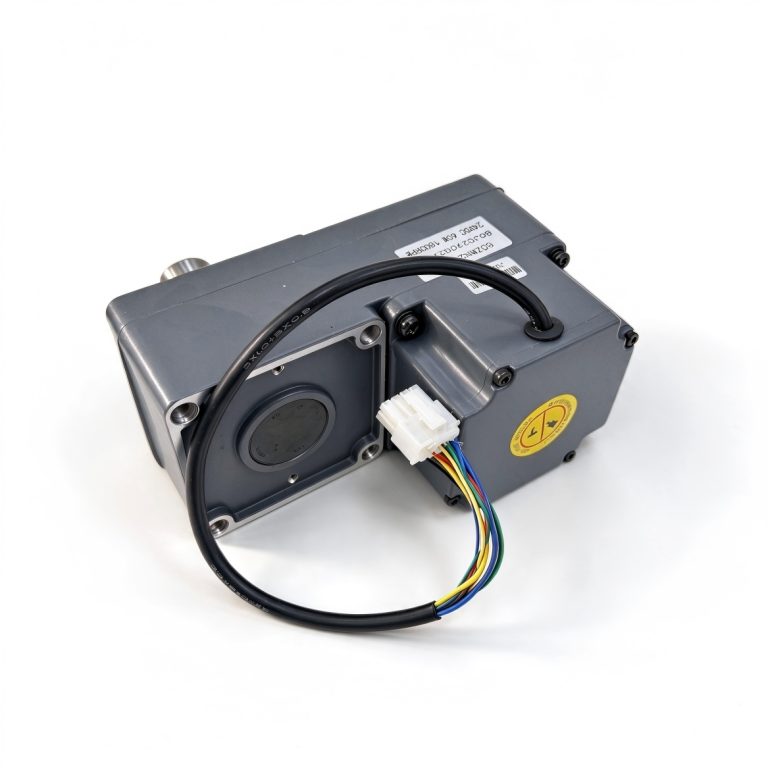
A standard access control switching power supply is mainly designed for controllers, locks, and low-voltage devices. It is not recommended to drive a motor directly. The gate motor should use the matching power supply supplied with the operator or a dedicated motor power supply.
An access control power supply usually includes lock control, time delay, backup battery terminals, and wiring terminals, while a standard switching power supply mainly provides stable DC output and has fewer control functions.
No. Excessive voltage may cause overheating or permanent damage to the device. The output voltage must match the device voltage.
No. The device may not operate properly due to insufficient voltage. The magnetic lock may have weak holding force, and the controller may restart repeatedly.
The efficiency of a conventional switching power supply is generally above 80%. The exact value depends on the model. Higher efficiency means less heat and lower long-term power consumption.
The standard wide input voltage is AC 100–240V, which is compatible with power grids in different countries and regions. Refer to the product nameplate for the exact rating.
The output is DC, commonly DC 12V or DC 24V. The positive and negative terminals must be identified correctly during wiring.
The device may not work or may be damaged. Always confirm the positive (+) and negative (-) terminals before powering on.
Yes. The output voltage may be slightly higher than the rated value when there is no load. It will return to the rated range after a load is connected.
Possible causes include excessive load, abnormal input voltage, loose terminals, thin wires, or power supply failure. Check the load and wiring first, and then measure the output voltage.
A slight high-frequency sound may occur under light load or in certain environments. If the output is normal and there is no unusual smell or heat, it is generally acceptable. Stop using the unit if the noise is loud or abnormal.
Standard switching power supplies are not designed for direct parallel connection unless the model specifically supports parallel operation. Direct parallel connection may cause uneven current distribution and damage the units.
The longer the wire, the greater the voltage drop. Choose the wire gauge according to the current, increase the wire size for long-distance wiring, and install the power supply close to the devices when possible.
A standard switching power supply is designed for indoor use and is not waterproof. For outdoor installation, place it in a waterproof distribution box or choose a model with an appropriate waterproof rating.
Wall mounting and DIN-rail mounting are common, depending on the model. The installation position should be ventilated and protected from direct sunlight and rain.
Models with a grounding terminal must be reliably grounded for safety and anti-interference performance. Grounding should comply with local electrical regulations.
Yes. Leave sufficient space around the unit, avoid mounting it tightly against other devices, and do not install it in a small sealed enclosure.
The common operating temperature is -20°C to +60°C. Long-term high-temperature environments may reduce service life and stability. Refer to the model specifications.
Yes, but the distribution box must allow ventilation and heat dissipation. When multiple power supplies are installed together, leave space between them to avoid heat buildup.
The accepted wire size depends on the terminal specification. Follow the instructions and use ferrules for stranded wires to prevent loose connections.
Common protections include overcurrent, overvoltage, short-circuit, overload, and overheat protection. The exact functions depend on the model.
A power supply with short-circuit protection will shut down automatically when a short circuit occurs. It usually recovers after the fault is removed and the unit is repowered. Do not keep the short circuit for a long time.
It is recommended to install a fuse or circuit breaker on the input side or on separate branches for maintenance and overcurrent protection. The rating should match the actual current.
Some models support battery connection and can provide short-term power for access control and locks during a power outage. Check the specific model.
A 12V power supply usually uses a 12V battery, while a 24V system may require two 12V batteries in series or a dedicated 24V battery pack. Follow the instructions carefully.
It depends on the battery capacity and the total current of the devices. Lower current and larger battery capacity provide longer backup time.
An access control power supply with charging function can support float charging or automatic charging. A standard switching power supply without charging management should not be directly connected to a battery.
Outdoor or long-distance wiring may be exposed to surges. A surge protector on the input side and reliable grounding are recommended.
Check the input voltage, wiring terminals, fuse, and circuit breaker first. If the input is normal but the indicator remains off, the power supply may be faulty.
Check whether the output terminals are tight, whether the polarity is correct, and whether the load is short-circuited or overloaded. The power supply can also be tested without connecting the load.
Yes. It may be caused by insufficient output voltage, insufficient current, thin wires, or voltage drop. Measure the actual voltage at the lock end to confirm.
Common causes include insufficient power, high startup current, loose wiring, or unstable voltage. Select the power supply according to the peak current of the device.
Some temperature rise under load is normal. If the housing becomes extremely hot, emits a smell, or the output becomes abnormal, disconnect the power immediately.
Metal housings with a grounding terminal must be grounded. For plastic housing models, follow the wiring instructions.
With normal input voltage, correct wiring, and no short-circuited load, measure the output with a multimeter. If there is no voltage or the voltage is clearly abnormal, the power supply may be defective.
No. Always disconnect the power before installation or maintenance and confirm that there is no voltage before operating to prevent short circuits or electric shock.
Possible causes include an input short circuit, internal failure, incorrect wiring, or an undersized circuit breaker. Disconnect the output and check the circuit section by section. Do not repeatedly force the breaker on.
Possible causes include poor heat dissipation, component aging, long-term overload, or high ambient temperature. Use the unit within its rated load and keep it ventilated.
Some motors, locks, and controllers have a high startup current that may trigger protection. Choose a power supply with a higher peak current margin.
Yes. Set the multimeter to DC voltage mode, place the red probe on the positive terminal and the black probe on the negative terminal, and read the output voltage.
CE and RoHS certifications are available. The exact certification status depends on the model and order.
The standard warranty period follows the sales contract or quotation.
Yes. Labels, packaging, output parameters, and custom configurations can be provided according to customer requirements.
The package usually includes the switching power supply, user manual, and matching accessories. The actual contents are subject to the packing list.
Please provide output voltage, rated current, power, backup battery requirement, installation method, quantity, and application scenario so that the correct model can be recommended.